If you're a Connecticut homeowner still heating with oil, you've probably noticed your annual heating bill climbing past $4,000. You've probably also heard that heat pumps can cut that cost in half. But how much does the heat pump itself cost to install? And what do you actually pay after Connecticut's generous rebate programs?
Here's the full breakdown for 2026, based on real installation costs across the Hartford metro area.
The Three Main System Types and What They Cost
Heat pump pricing depends on the type of system, the size of your home, and whether you have existing ductwork. Here are the three main options:
Single-Zone Ductless Mini-Split: $3,000 - $5,000
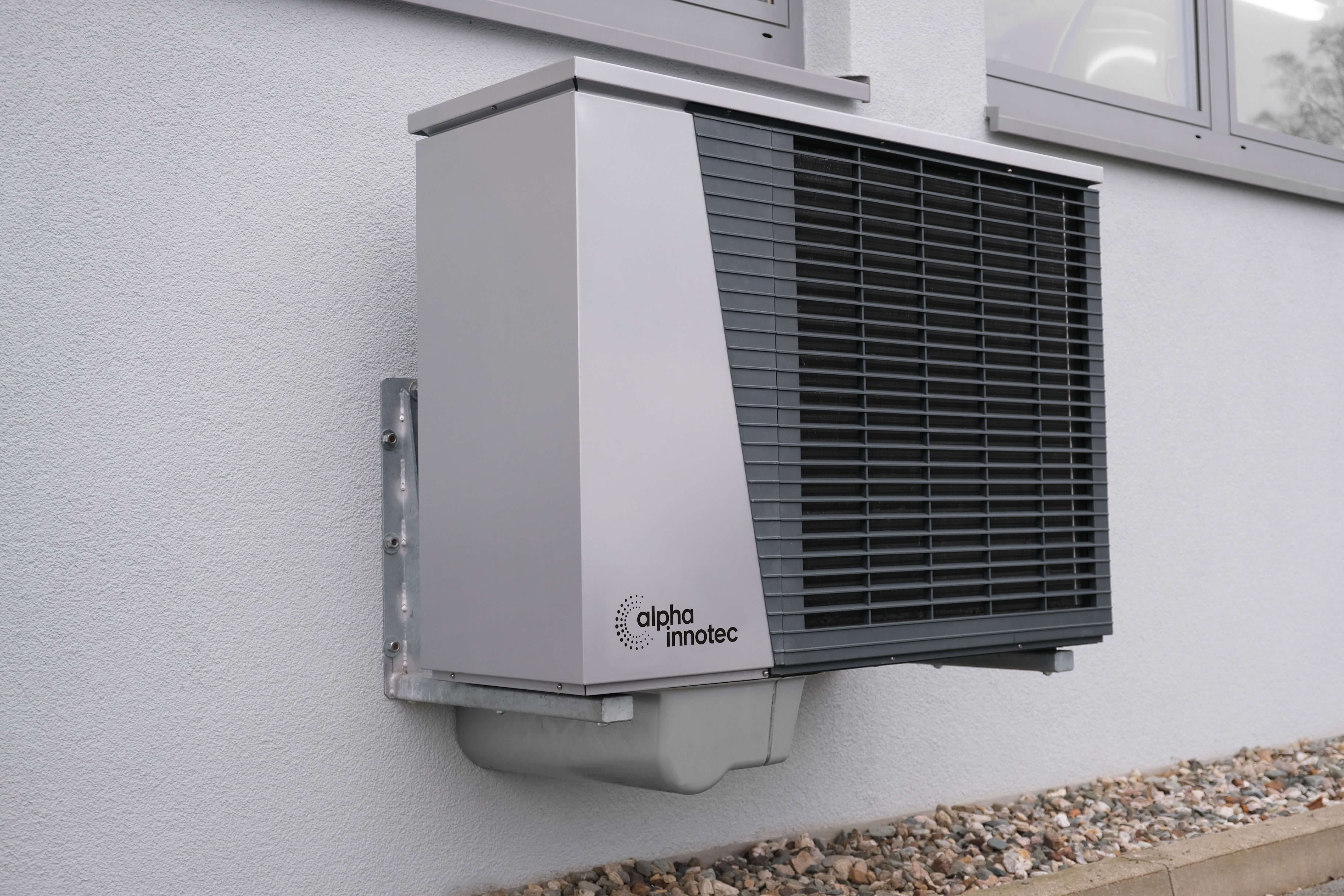
A single-zone mini-split is one outdoor unit connected to one indoor wall-mounted unit. It heats and cools one room or open-concept area. This is the most affordable entry point into heat pump ownership and the most popular choice for Connecticut homeowners who want to start small.
Most homeowners install their first mini-split in the main living area - the room where the family spends the most time. A single mini-split in your living room can reduce your whole-home oil consumption by 30-50% because that room no longer relies on the oil boiler for heating.
Best for: Older homes without ductwork, homeowners who want to test a heat pump before committing to a whole-home system, additions or bonus rooms, or homes where one room is always too hot or too cold.
Multi-Zone Mini-Split System: $6,000 - $12,000
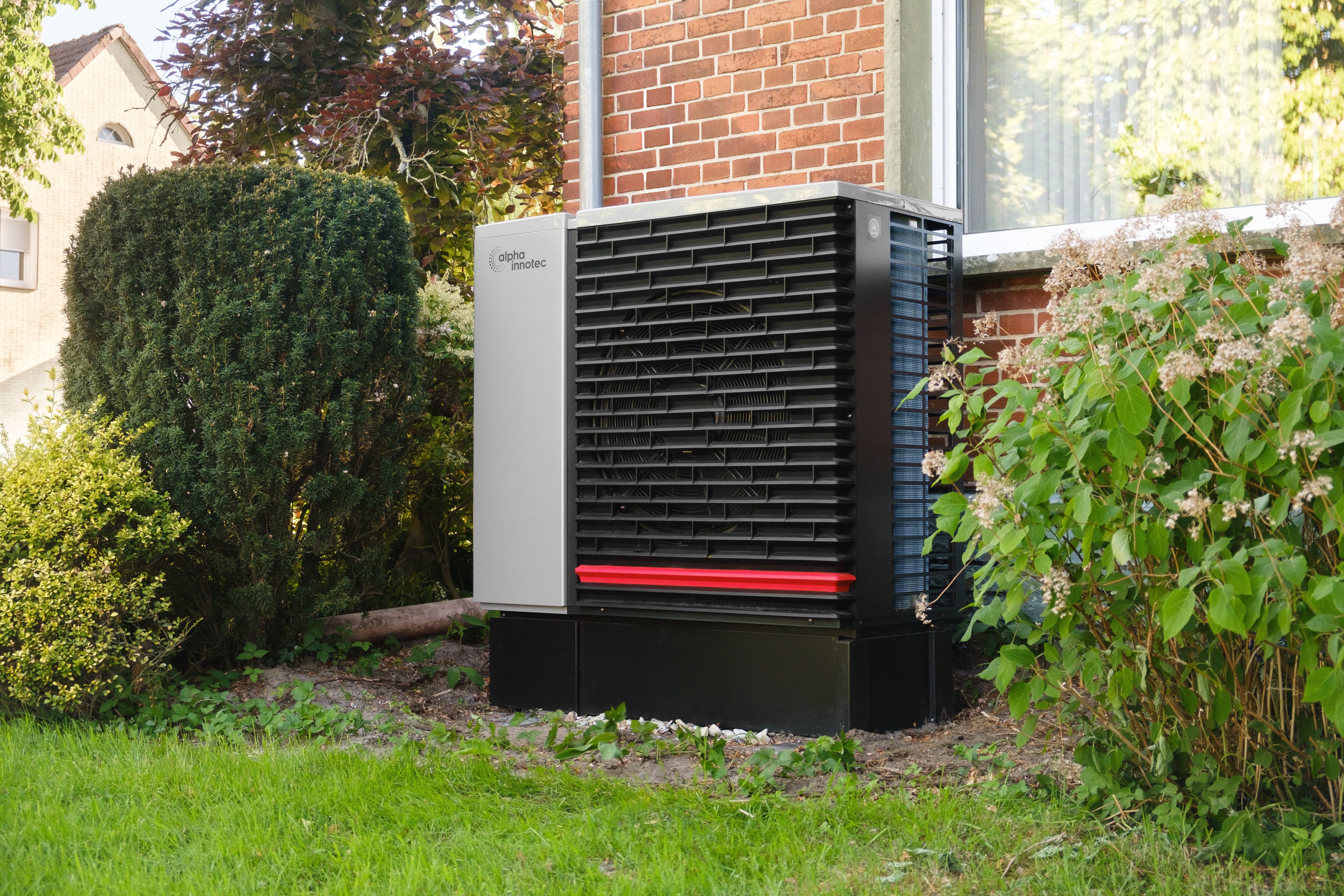
A multi-zone system connects one outdoor unit to 2-5 indoor units throughout your home. Each indoor unit has its own thermostat, so you can set the bedroom to 68 at night while keeping the living room at 72 during the day. This is the most popular system for Connecticut homes because most older homes lack ductwork.
A typical 3-zone system (living room, master bedroom, and one additional room) costs $8,000-$10,000 before rebates. That covers the outdoor unit, three indoor units, all refrigerant lines, electrical work, and permits.
Best for: Homes without ductwork (most pre-1980 Connecticut homes), homeowners who want room-by-room temperature control, or homes where you want to completely replace oil heating without installing ductwork.
Whole-Home Ducted Heat Pump: $8,000 - $18,000
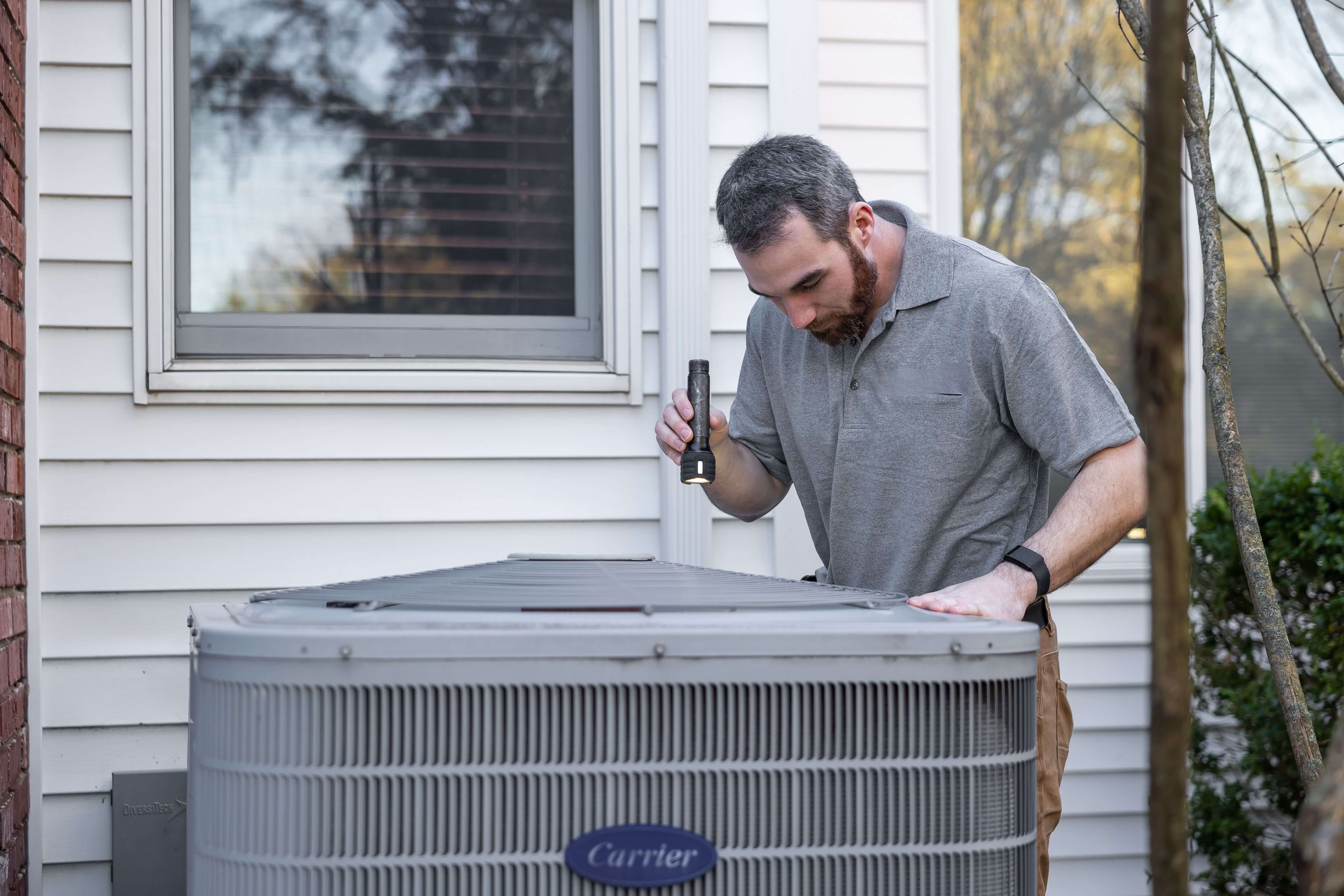
A ducted heat pump replaces your existing furnace and uses your home's existing ductwork to distribute heated and cooled air. This is the most complete solution - one system handles everything, and your home looks exactly the same from the inside (no wall-mounted units).
The price range is wider because it depends heavily on your existing ductwork condition, home size, and whether your electrical panel needs upgrading. A 2,000 sq ft home with modern ductwork might be $10,000-$12,000. A 3,500 sq ft home needing duct modifications could be $15,000-$18,000.
Best for: Homes with existing ductwork in good condition, homeowners who want a single central system, or new construction.
What You Actually Pay After Connecticut Rebates
Here's where it gets good. Connecticut has some of the most generous heat pump incentives in the country. These programs stack, meaning you can combine them:
Energize CT Rebates: Up to $750 Per Ton
The Energize CT program offers rebates of up to $750 per ton of cooling capacity for qualifying cold-climate heat pumps. A typical 3-ton residential system qualifies for $2,250 in Energize CT rebates. This money comes directly off your installation cost - we apply it to your invoice so you never pay the full price.
Federal IRA Tax Credit: 30% Up to $2,000
The federal Inflation Reduction Act provides a tax credit of 30% of your total heat pump installation cost, up to a maximum of $2,000 per year. This isn't a deduction - it's a dollar-for-dollar credit that reduces your tax bill. If you owe $5,000 in federal taxes and claim the $2,000 heat pump credit, you owe $3,000.
HEAR Rebates: Up to $8,000 (Income-Based)
The Home Energy Rebate program provides enhanced rebates for low-to-moderate income households. If your household income is below 80% of area median income, you may qualify for up to $8,000 in heat pump rebates. Between 80-150% of AMI, you may qualify for up to $4,000. We screen for eligibility during every quote.
CT Green Bank Financing
The Connecticut Green Bank offers low-interest loans specifically for energy improvements. If you have remaining cost after rebates, Green Bank financing provides rates significantly below market. This means your monthly payment could be lower than what you're currently spending on oil.
Real Example: What a Hartford Homeowner Actually Pays
Let's say you install a 3-zone mini-split system in your West Hartford colonial. The system costs $9,500 before any incentives.
Starting price: $9,500
Energize CT rebate (2.5 ton): -$1,875
Federal tax credit (30%): -$2,000
Your cost: $5,625
If you qualify for HEAR income-based rebates, that cost could drop to as low as $1,500-$3,625.
Meanwhile, your heating costs drop from $4,500/year in oil to approximately $2,000-$2,500/year in electricity - saving you $2,000-$2,500 per year. The system pays for itself in 2-3 years, then saves you money for the remaining 15-20 year lifespan.
Want your exact number?
Every home is different. We provide free quotes with all available rebates calculated for your specific situation.
Get Your Free QuoteWhat Affects the Price?
Several factors push your installation cost higher or lower:
Number of zones. More indoor units means more refrigerant lines, more electrical connections, and more labor. Each additional zone adds roughly $1,500-$2,500 to the project.
Home size and insulation. Larger homes need larger outdoor units with more capacity. Well-insulated homes need less capacity than drafty ones, which can save money on equipment sizing.
Electrical panel. If your home has a 100-amp electrical panel (common in pre-1980 CT homes), you may need a panel upgrade to 200 amps. This adds $1,500-$3,000 to the project. Homes built after 1990 typically have adequate panels already.
Oil system removal. If you're switching completely from oil, you may want the oil tank removed. Above-ground tank removal costs $500-$1,000. Underground tank removal costs $2,000-$5,000 depending on condition and environmental testing requirements.
Ductwork condition. For ducted systems, existing ductwork may need sealing, insulating, or modifications. This can add $1,000-$3,000. If you have no ductwork, a ductless mini-split system avoids this cost entirely.
Is It Worth It? The 10-Year Math
Here's the comparison that matters - what you'll spend over 10 years staying on oil versus switching to a heat pump:
Staying on oil (10 years): $4,500/year x 10 = $45,000 in heating costs. Plus one oil boiler replacement at $6,000-$10,000 when your current system dies. Total: $51,000-$55,000.
Switching to a heat pump: $5,625 installation cost (after rebates) + $2,250/year electricity x 10 = $28,125 total. Plus you have air conditioning that oil never provided.
10-year savings: $23,000-$27,000. That's not theoretical. That's real money staying in your pocket instead of going to the oil company.
Get Your Specific Quote
Every home is different, and the only way to know your exact cost is a free home assessment. We measure your home, evaluate your current system, check your electrical panel, and calculate every available rebate. You get a flat-rate quote showing the before-and-after price with no hidden fees.
Request your free quote here or call (860) 926-2738. We respond within one hour.